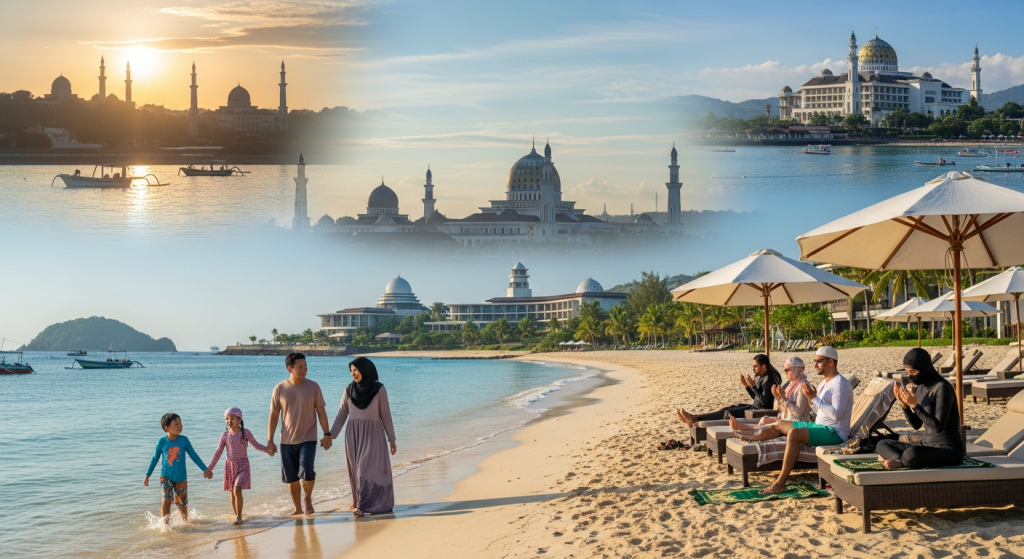
- MUI certification ensures adherence to Islamic dietary and service standards across hotels and restaurants.
- Dedicated prayer rooms (musholla) with clear Qibla directions are standard in many establishments.
- Cultural experiences often include visits to historic mosques and engagement with Sasak Islamic heritage.
The aroma of clove and sea salt drifts on the warm air as the call to prayer echoes from a distant minaret. This is Lombok, an island where Islamic culture and natural beauty converge, offering a distinctive journey for the discerning Muslim traveler. Here, every detail considers faith, from the culinary offerings to the hospitality.
Defining Halal Excellence Across Lombok’s Landscape
Lombok’s identity as “Pulau Seribu Masjid” (Island of a Thousand Mosques) is not merely a poetic descriptor; it reflects a deeply ingrained Islamic heritage that shapes its tourism offerings. The concept of “Lombok halal” extends beyond mere food; it encapsulates an entire ecosystem of Muslim-friendly services and facilities. Central to this assurance is the Majelis Ulama Indonesia (MUI) certification, the official body responsible for issuing halal certificates in Indonesia. An MUI certificate, often displayed prominently, signifies that a restaurant, hotel, or product adheres to stringent Islamic dietary and ethical guidelines. For instance, the Grand Mosque Hubbul Wathan Islamic Center in Mataram, completed in 2013, stands as a prominent symbol of this commitment, drawing thousands of worshippers daily. Travelers seeking certified experiences find a growing number of establishments, particularly in key tourism zones like Senggigi and Mandalika, proactively obtaining these certifications. In 2022, over 300 businesses in NTB held valid MUI halal certifications. These certifications cover everything from kitchens ensuring no cross-contamination to the sourcing of ingredients and the preparation methods. The regional government of West Nusa Tenggara actively promotes this framework, aiming to establish Lombok as a global benchmark for halal tourism. This commitment ensures that visitors from Riyadh to Kuala Lumpur experience consistent quality and peace of mind. The island’s 4,000+ mosques provide ubiquitous prayer spaces, often within walking distance from any point.
Halal-Certified Accommodations and Culinary Journeys
Choosing accommodations in Lombok means selecting from a range of hotels and resorts that understand and cater to Muslim needs. Many establishments, particularly those targeting Middle Eastern and Southeast Asian Muslim families, provide specific amenities: prayer mats in rooms, clear Qibla direction indicators, and often, a dedicated musholla (prayer room) on-site. Properties like the Aruna Senggigi Resort & Convention and Prime Park Hotel & Convention Lombok are examples of venues adapting their services. For example, the Prime Park Hotel, situated just 15 minutes from Mataram Islamic Center, offers specific halal breakfast menus. Water villas and private pool resorts, especially those designed with privacy in mind, appeal to families seeking modest leisure options. Culinary experiences form a significant part of any trip, and Lombok’s halal food scene is robust. From traditional Sasak dishes like Ayam Taliwang and Sate Rembiga to international cuisine, a growing number of restaurants carry MUI halal certification. Visitors can easily identify these establishments through signage or by inquiring directly. For instance, the renowned Taliwang Irama Restaurant in Mataram holds a valid MUI halal certificate, serving its iconic grilled chicken since 1974. Many hotels also offer halal room service menus and ensure their buffets clearly label halal options. The average cost for a halal meal at a mid-range restaurant in Mataram is around IDR 50,000 (approximately USD 3.20). Additionally, local markets offer an abundance of fresh, locally sourced produce and seafood, allowing for self-catering options in villas or apartments, ensuring ingredients meet personal dietary standards.
Exploring Lombok’s Muslim-Friendly Destinations
Lombok’s diverse geography offers a spectrum of destinations, each with its unique appeal for Muslim travelers. Mataram, the provincial capital, serves as the cultural and religious heart, with the magnificent Islamic Center providing both a spiritual landmark and an architectural marvel. Visitors can ascend its minaret for panoramic views of the city. Senggigi, located along the west coast, offers a more relaxed resort experience, with several hotels providing halal services and easy access to local mosques. The area is approximately 25 kilometers from Lombok International Airport (LOP). Further south, the Mandalika Special Economic Zone (KEK Mandalika) presents modern tourism infrastructure, including the Pertamina Mandalika International Street Circuit, which hosted the MotoGP in 2022 and 2023. This area is developing rapidly, with new halal-certified resorts and restaurants emerging. Kuta Beach Mandalika, with its white sands, is a popular spot. Even the famous Gili Islands—Trawangan, Meno, and Air—known for their pristine waters and car-free environment, are increasingly accommodating Muslim visitors. Gili Trawangan, the largest, features several mushollas and restaurants offering halal food, such as the Juku Marlin Restaurant. Travelers can find prayer facilities at the central mosque on Gili Trawangan, just a 5-minute walk from the main pier. These islands are accessible via a 15-minute fast boat ride from Bangsal harbor. For those seeking rural serenity, Sembalun Valley at the foot of Mount Rinjani offers cooler temperatures and opportunities for agro-tourism, while Tetebatu in the east provides authentic Sasak village experiences and rice field trekking.
Cultural Immersion and Spiritual Journeys
Lombok offers rich opportunities for cultural immersion that resonate deeply with Muslim travelers. The indigenous Sasak people, primarily Muslim, maintain vibrant traditions and a strong Islamic identity. Visiting traditional Sasak villages like Sade or Ende allows guests to observe daily life, traditional architecture, and witness local crafts. The ancient Bayan Beleq Mosque in North Lombok, built in the 16th century, stands as one of the oldest mosques on the island and offers a profound glimpse into Lombok’s early Islamic history. Its unique construction from wood and bamboo reflects the fusion of local wisdom and Islamic faith. Many local guides, fluent in English and often Arabic, can provide insightful tours, explaining the nuances of Sasak culture and religious practices. For those seeking deeper spiritual engagement, Lombok hosts various Quran reflection retreats, particularly in tranquil areas like Sembalun or Tetebatu. These retreats combine spiritual study with wellness activities such as gentle yoga or mindful walking through nature. The island’s peaceful environment lends itself perfectly to contemplation and personal growth. The annual Pesona Khazanah Ramadhan Festival in Mataram showcases Islamic arts, culture, and culinary delights, attracting thousands of visitors and providing a vibrant cultural exchange opportunity. This festival, typically held during the month of Ramadan, draws participants from across Indonesia and Southeast Asia. Visitors can also participate in local charity activities, contributing to the community and experiencing the spirit of giving (zakat and sadaqah) firsthand.
Planning Your Halal Trip: Logistics and Connectivity
Lombok International Airport (LOP), located in Praya, serves as the primary gateway to the island, handling over 4 million passengers annually pre-pandemic. It connects Lombok directly to major hubs like Jakarta (CGK), Surabaya (SUB), Denpasar (DPS), Kuala Lumpur (KUL), and Singapore (SIN). For Middle Eastern travelers, connecting flights are readily available through Jakarta or Kuala Lumpur. For instance, Emirates operates daily flights from Dubai (DXB) to Jakarta, providing a seamless link. Garuda Indonesia offers codeshare flights facilitating journeys from Jeddah (JED) and Dubai to Lombok. The airport itself provides prayer rooms (musholla) with clear Qibla directions and halal food options. Public transportation includes taxis and ride-hailing apps, while many hotels offer airport transfers. Renting a car with a driver is a convenient option for families, typically costing around IDR 600,000 (approximately USD 38) for a full day. Timing your visit can enhance the experience; traveling during Islamic holidays like Lebaran (Eid al-Fitr) or Eid al-Adha offers a unique opportunity to witness local celebrations and community spirit, though booking accommodations well in advance is advisable due to high demand. Lebaran 2026 is projected to fall in mid-March, making it a peak travel period for Indonesian domestic tourists. Indonesia.travel provides further general information on Lombok’s attractions.
Beyond the Standard: Wellness, MICE, and Family Focus
Lombok’s appeal extends beyond leisure, catering to specific niche markets within the Muslim travel segment. For Middle Eastern Muslim families, the emphasis on privacy, family-friendly activities, and halal assurances is paramount. Many resorts offer private villas with enclosed pools, allowing for modest swimming and relaxation. Dedicated children’s programs and family suites are common. Multi-generational trips from Malaysia, Singapore, and Brunei find Lombok ideal, combining spiritual reflection with accessible adventure. The island’s focus on wellness is also growing, with specific retreats combining spiritual healing, Quran reflection, and halal-certified spa treatments. These retreats often incorporate traditional Sasak remedies and natural therapies. The burgeoning MICE (Meetings, Incentives, Conferences, Exhibitions) sector in Lombok, particularly around the Mandalika area, is also embracing halal standards. With Indonesia’s capital moving to IKN (Nusantara), Lombok positions itself as a prime location for corporate Muslim conferences and summits, including the Indonesia Halal Industry summit. Convention centers are equipped with prayer rooms, and catering services provide MUI-certified menus. This development is supported by regional initiatives to boost halal economic growth, offering a sophisticated environment for business and networking. Wikipedia.org offers more context on Lombok’s general history and geography.
Discover the depth of Lombok halal on your next journey. Whether planning a serene family escape, a spiritual retreat, or a productive business conference, `lombokhalal.com` is your definitive guide to an authentically Muslim-friendly experience. Explore our curated selections of certified accommodations, dining, and activities to tailor your perfect itinerary. Begin your bespoke Lombok experience today by visiting our homepage at lombokhalal.com.