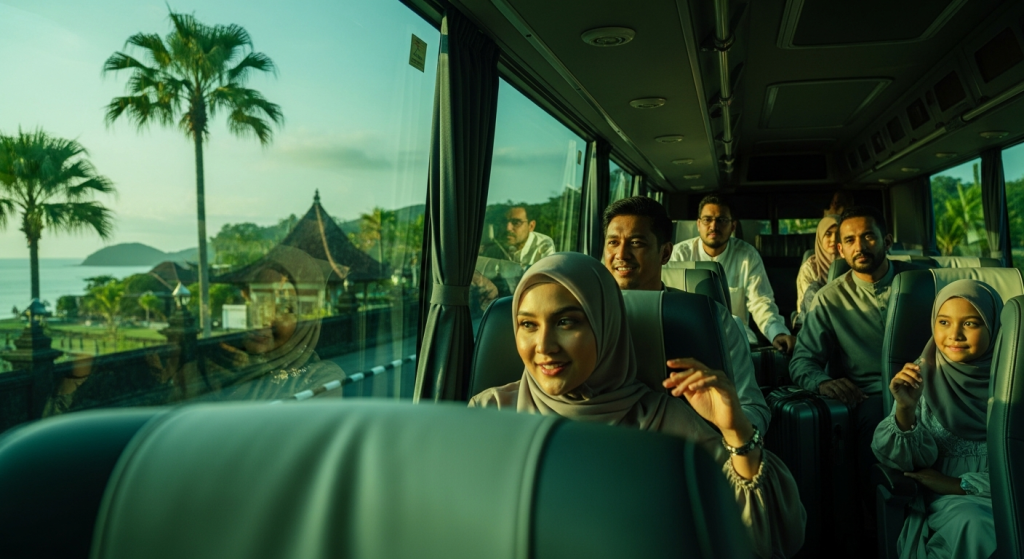
- April to October provides perfect weather for beach outings and island hopping to the Gilis.
- Trekking Mount Rinjani is best undertaken during the dry months for safety and visibility.
- Major Islamic holidays like Lebaran often coincide with peak or shoulder seasons, requiring early booking.
A gentle breeze sweeps across the turquoise expanse of the Lombok Strait, carrying the scent of frangipani and the distant call to prayer. The sun, a warm presence, bathes the island in a clear, inviting light. This is Lombok, the “Pulau Seribu Masjid,” a destination where natural beauty converges seamlessly with a profound Muslim-friendly ethos, inviting travelers to discover its rhythms. Understanding Lombok’s unique climate and event calendar unlocks the most rewarding halal travel experience, whether seeking serene beaches, cultural immersion, or high-octane events.
The Dry Season Advantage: April to October for Pristine Experiences
Lombok’s dry season, extending from April through October, presents the island at its most accessible and vibrant. Days unfold under brilliant blue skies, and the air carries a comfortable warmth, averaging between 28°C and 32°C. This window is prime for exploring the iconic Gili Islands—Trawangan, Meno, and Air—where glass-bottom boats glide over coral gardens and snorkeling reveals a kaleidoscope of marine life. Halal-certified dive centers on Gili Trawangan, for example, cater specifically to Muslim travelers, ensuring privacy and appropriate attire for female divers. Water visibility often exceeds 20 meters during these months, a significant factor for underwater enthusiasts. Direct flights from Kuala Lumpur and Singapore frequently arrive at Lombok International Airport (LOP), making access straightforward for regional Muslim families. Lombok International Airport handles over 4 million passengers annually, a testament to the island’s growing appeal.
The southern coast, home to the Mandalika Kuta beach area, thrives with surfing conditions suitable for all levels, from beginner waves to more challenging breaks. Many surf schools here offer female instructors upon request, aligning with Muslim-friendly preferences. The KEK Mandalika, or Mandalika Special Economic Zone, encompasses 1,178 hectares and is a hub for luxury tourism development. For those drawn to the mountains, the dry season is the only safe period for ascending Mount Rinjani, Indonesia’s second-highest volcano at 3,726 meters. Permits are more readily available, and trails are dry, reducing the risk of slips. Reputable tour operators offer halal-friendly trekking packages, including prayer mats and appropriate meal provisions. The journey from Mataram, Lombok’s capital, to Senggigi, a popular resort strip, typically takes around 30 minutes by car, covering approximately 30 kilometers. This accessibility ensures that guests at halal-certified resorts in Senggigi can easily reach city attractions.
During these months, halal restaurants across Mataram and Senggigi operate at full capacity, offering a wide array of local and international cuisine. Establishments proudly display their MUI (Majelis Ulama Indonesia) Sertifikat Halal, ensuring diners a worry-free experience. This certification is a cornerstone of Lombok’s Muslim-friendly destination status, extending to many hotels and services. The period also sees a consistent schedule of cultural events, less disrupted by weather, allowing Muslim families from Malaysia, Singapore, and Brunei to fully engage with local traditions. The warm, dry climate means outdoor prayer rooms (musholla) and designated qibla directions in resorts are comfortably accessible throughout the day.
Monsoon Season: November to March – A Different Appeal for the Discerning Traveler
While often termed the “monsoon season,” Lombok’s wet period from November to March presents a unique charm, rather than an impediment, for the informed traveler. The rain rarely persists all day; instead, tropical showers often occur in short, intense bursts, leaving behind refreshed landscapes. Average temperatures remain pleasant, typically ranging from 26°C to 30°C. This shoulder and low season offers distinct advantages: fewer crowds, more tranquil environments, and often more attractive pricing for halal-certified accommodations and services. For Muslim families seeking a quieter retreat or a more intimate experience, this period can be ideal.
The island transforms into a lush, emerald expanse. Waterfalls like Benang Stokel and Benang Kelambu in central Lombok flow with renewed vigor, creating spectacular natural attractions. These sites are easily accessible, and local guides can arrange private visits, ensuring a comfortable experience for Muslim women. Tetebatu, a village nestled in the foothills of Mount Rinjani, becomes particularly vibrant, showcasing traditional Sasak life amidst rice paddies. Here, visitors can participate in halal cooking classes, learning to prepare local dishes like Ayam Taliwang with ingredients sourced directly from the surrounding farms. The local community is deeply rooted in Islamic traditions, with numerous small mosques and prayer rooms readily available.
For those prioritizing wellness and reflection, the monsoon season provides a serene backdrop for Quran reflection retreats or halal-conscious yoga sessions. Many luxury halal resorts offer indoor facilities for these activities, ensuring comfort regardless of the weather. The quieter atmosphere is also conducive for MICE (Meetings, Incentives, Conferences, Exhibitions) events, especially for corporate Muslim conferences or industry summits like the Indonesia Halal Industry summit. Venues in Mataram and Senggigi often provide competitive rates and dedicated prayer facilities during this period. The Islamic Center Mosque in Mataram, a prominent landmark, accommodates over 15,000 worshippers and remains a central point for spiritual activities year-round.
While sea conditions can be choppier for island hopping, exploring the mainland’s cultural sites, traditional markets, and artisanal craft villages remains a fulfilling endeavor. Visitors can explore the historical sites of Mataram, including the Mayura Water Palace, which reflects Lombok’s rich multi-cultural heritage. The fewer tourists mean more personalized service at halal restaurants and shops, enhancing the overall experience for those who prefer a more relaxed pace.
Navigating Islamic Holidays: Lebaran, Eid al-Adha & Family Gatherings
For Middle Eastern Muslim travelers, as well as Malaysian, Singaporean, Bruneian, and Indonesian domestic visitors, the timing of Islamic holidays holds significant weight. Lebaran (Eid al-Fitr) and Eid al-Adha represent peak travel periods for Muslim families, often extending into multi-generational trips to destinations like Lombok. Lebaran, marking the end of Ramadan, typically falls in April or May, aligning with Lombok’s early dry season. Eid al-Adha, the Festival of Sacrifice, occurs approximately two months later, often in June or July. These periods see a surge in demand for halal-certified accommodations, family villas, and private transport services.
Planning for these holidays requires foresight. For Lebaran 2026, which is projected to fall around mid-April, booking halal-friendly resorts and flights 6 to 8 months in advance is strongly recommended. Many resorts offer special Lebaran packages, including festive meals, children’s activities, and designated communal prayer spaces for Eid prayers. The atmosphere across Lombok during these times is festive and communal, with local communities engaging in traditional celebrations. Prayer rooms (musholla) are abundant, and the qibla direction is clearly marked in all halal-certified establishments.
Indonesian domestic Muslim travelers often choose Lombok for their Lebaran holidays, seeking a destination that resonates with their faith and offers diverse attractions. The island’s moniker, “Pulau Seribu Masjid” (Island of a Thousand Mosques), truly comes alive during these holidays, with mosques throughout the island hosting vibrant congregations. Lombok proudly counts over 1,000 mosques, a testament to its strong Islamic identity. Similarly, during Eid al-Adha, many halal resorts facilitate Qurban (sacrifice) arrangements with local communities, allowing guests to participate in this important religious observance ethically and conveniently.
Beyond these major Eids, other Islamic observances like Mawlid (the Prophet’s birthday) can also influence travel patterns, particularly for those seeking spiritual reflection. While not as universally impactful on peak travel as the Eids, these dates often inspire special programs at Islamic centers and some halal-conscious wellness retreats. The consistent availability of halal food, from street vendors to fine dining, ensures that dietary requirements are met effortlessly during these sacred times. The Indonesian halal food expenditure reached an estimated $184 billion in 2022, underscoring the market’s significance.
Special Events & Niche Seasons: MotoGP, Wellness & MICE Opportunities
Lombok’s calendar is punctuated by significant events that create their own unique travel seasons, catering to specific interests. The MotoGP Mandalika at the Mandalika International Street Circuit is a prime example. This global motorcycle racing event, typically held in the dry season (often late September or early October), transforms the KEK Mandalika into a buzzing hub. The circuit, spanning 4.3 kilometers, attracts over 100,000 spectators, leading to extremely high demand for all accommodations, including halal-certified hotels. For those attending, booking 9-12 months in advance is essential. While the focus is on racing, many luxury resorts in the area maintain their halal standards, offering private dining and prayer facilities for Muslim attendees.
Beyond the adrenaline of MotoGP, Lombok is increasingly recognized for its halal wellness and spiritual retreats. These programs, often combining yoga, meditation, Quran reflection, and healthy halal cuisine, tend to favor the shoulder seasons (April-May or September-October) or even the quieter periods of the monsoon. The slightly lower tourist numbers during these times contribute to a more serene environment, ideal for contemplation and rejuvenation. Some retreats specifically cater to Muslim women, offering private spaces and female instructors, ensuring comfort and adherence to Islamic principles. These retreats often last between 3 to 7 days, providing ample time for inner reflection.
The island is also emerging as a prominent destination for MICE (Meetings, Incentives, Conferences, and Exhibitions), particularly for events related to the halal industry or Islamic finance. With the development of the KEK Mandalika and improved infrastructure, Lombok is well-positioned to host large-scale gatherings. The Indonesia Halal Industry summit and potential IKN (Indonesia’s New Capital) related conferences are examples of events that might draw significant Muslim business travelers. These conferences often occur outside peak tourist seasons to leverage better venue availability and pricing. Facilities are equipped with prayer rooms (musholla) and offer halal catering services as standard. Lombok is part of West Nusa Tenggara (NTB) province, which has a population of 5.5 million, providing a strong local support system for such events.
For those attending such events, the availability of direct flights from major hubs like Jakarta, Surabaya, and Bali, alongside international connections from Kuala Lumpur and Singapore (and connecting flights from Jeddah and Dubai), ensures convenient access. Travel agents specializing in corporate halal travel can assist with bespoke itineraries, including dedicated transport and private dining options that adhere strictly to halal guidelines.
Insider Tips for Optimal Lombok Halal Travel
Optimizing your Lombok halal journey requires a few insider considerations. While the dry season is generally preferred, understanding regional microclimates can enhance your experience. The northern slopes of Mount Rinjani and areas like Sembalun can experience slightly more rainfall even during the dry season, due to their elevation. Conversely, the southern coasts around Kuta and Selong Belanak often remain sunnier. Always check localized weather forecasts closer to your travel dates. For Middle Eastern travelers accustomed to arid climates, Lombok’s tropical humidity, even in the dry season, is a factor to consider, making resorts with excellent air conditioning and shaded prayer areas highly desirable.
Booking your halal-certified accommodation and flights well in advance, especially for peak seasons or during MotoGP events, is paramount. A typical booking window for popular resorts can be 3-6 months, extending to 8-12 months for high-demand periods. Websites like lombokhalal.com offer direct access to verified halal-friendly resorts and services, simplifying the planning process. Ensure your chosen resort explicitly states its MUI halal certification for restaurants and provides clear qibla directions in rooms, along with prayer mats. Some luxury establishments even offer private pools for Muslim women, ensuring complete privacy.
Consider the shoulder seasons (late April to early June, or September to October) for a balance of good weather and fewer crowds. These periods often present excellent value without compromising on the quality of your Lombok halal experience. Local transport options, from private cars to ride-sharing apps, are readily available, and drivers are generally familiar with mosque locations and prayer times. For island hopping to Gili Trawangan, Air, or Meno, public boats from Bangsal harbor depart frequently, with a journey lasting approximately 15-20 minutes. Private charters are also available for families seeking exclusivity.
Finally, embrace the local culture. Lombok’s deep-rooted Islamic identity means that adherence to halal principles is ingrained in daily life. From the call to prayer echoing across the island to the widespread availability of halal food and dedicated prayer facilities, Lombok truly lives up to its “Pulau Seribu Masjid” reputation. Engage with local communities respectfully, perhaps through a guided tour of a traditional village or a visit to a local market, to enrich your understanding of this vibrant Muslim-friendly destination. Exploring more about the diverse offerings of lombokhalal.com can help tailor your perfect trip.
Lombok beckons year-round, offering a spectrum of experiences for the halal-conscious traveler. Whether drawn by the sun-drenched beaches of the dry season, the tranquil green landscapes of the monsoon, or the vibrant energy of Islamic holidays and international events, the island provides a seamless blend of natural splendor and Muslim-friendly services. Plan your journey with insight, and Lombok reveals its unique rhythms and profound hospitality. Discover your ideal time to visit and create enriching memories on the Island of a Thousand Mosques.