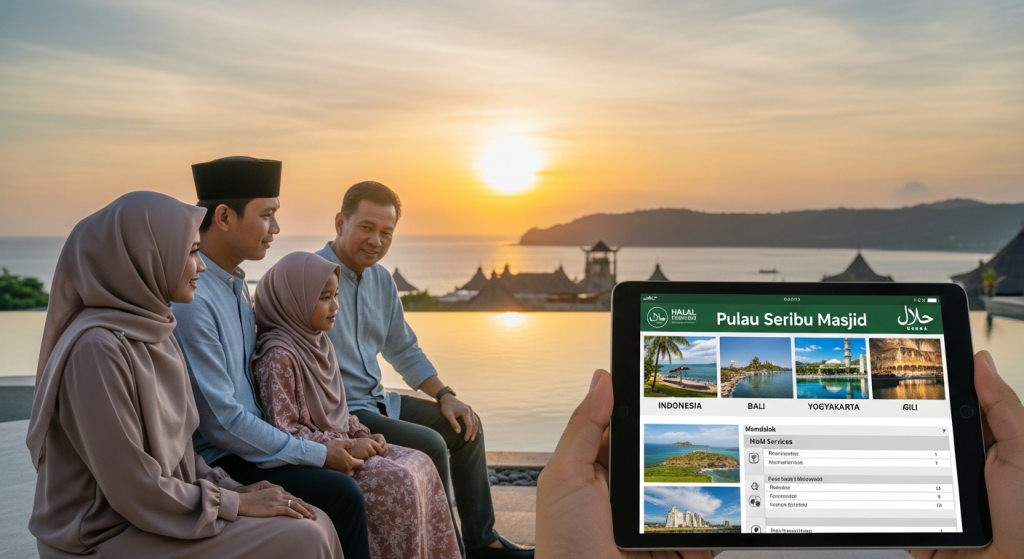
The dawn breaks over Lombok, painting the sky with hues that reflect its spiritual calm and natural grandeur. Here, the air carries the scent of frangipani and the distant call to prayer, signaling a destination where faith and leisure coalesce without compromise. This is not merely a place with halal options; this is a destination shaped by Islamic values, offering a distinct journey for the discerning Muslim traveler.
The Integrated Halal Ecosystem: Beyond Mere Certification
Lombok’s commitment to Muslim-friendly tourism extends far beyond a simple menu sticker. The island operates within a robust, integrated halal ecosystem, a distinguishing factor when compared to many global leisure destinations. Majelis Ulama Indonesia (MUI) certification, a national benchmark for halal integrity, governs a significant portion of the island’s culinary landscape. Over 200 food establishments across Mataram, Senggigi, and the Mandalika region hold current MUI certifications, ensuring compliance with Islamic dietary laws from sourcing to preparation. This widespread adherence means travelers can dine with confidence, whether opting for a traditional Sasak meal of Ayam Taliwang or a contemporary international dish. Many resorts, particularly those catering to the Middle Eastern and Malaysian markets, offer dedicated halal kitchens and MUI-certified accommodations, a level of integration often absent in other popular tropical locales where halal provisions are an add-on rather than an intrinsic element. Prayer rooms, or musholla, are not confined to hotels; they are ubiquitous. Lombok International Airport (LOP) features multiple designated prayer spaces, and even major tourist attractions like the Merese Hills viewpoint near Kuta beach provide accessible facilities with clear Qibla directions. This seamless availability of prayer amenities, often with ablution facilities, contrasts sharply with destinations where finding a suitable prayer space requires deliberate planning or compromise. For Muslim families from UAE, Saudi Arabia, Malaysia, or Singapore, this inherent infrastructure transforms a trip from a logistical challenge into a truly relaxing experience, where spiritual needs are anticipated and met with grace. The island’s identity as “Pulau Seribu Masjid,” or the Island of a Thousand Mosques, is not merely a moniker; it is a lived reality, with over 1,000 mosques dotting the landscape, each a testament to the community’s devoutness and welcoming spirit.
Natural Grandeur with Conscience: Beaches, Mountains, and Modesty
Lombok presents a landscape of diverse natural beauty, from pristine white-sand beaches to majestic volcanic peaks, all accessible within an environment that respects Muslim sensibilities. The famous Gili Islands—Trawangan, Air, and Meno—offer turquoise waters and vibrant marine life. While popular globally, these islands maintain a tranquil atmosphere where modest swimwear is common, and halal food options are readily available, especially on Gili Trawangan, which hosts several halal-certified eateries. In contrast, many comparable beach destinations globally often feature environments where overt displays are prevalent, potentially causing discomfort for halal-conscious travelers seeking a family-friendly atmosphere. On Lombok’s mainland, the southern coast boasts the Mandalika Special Economic Zone (KEK Mandalika), a 1,175-hectare development recognized for its stunning beaches like Tanjung Aan and Selong Belanak. This area, known for hosting the MotoGP Indonesia at the 4.3 km Mandalika International Street Circuit since 2022, also integrates Muslim-friendly facilities within its tourism infrastructure, including prayer rooms at major public spaces and event venues. Inland, the towering Mount Rinjani, standing at 3,726 meters, offers trekking opportunities that combine physical challenge with spiritual reflection, providing designated prayer spots along popular routes. For those seeking cultural immersion amidst nature, the rural areas of Sembalun and Tetebatu offer serene landscapes of rice paddies and waterfalls, where local Sasak communities openly welcome visitors. These regions provide authentic experiences, such as traditional weaving workshops or visits to ancient mosques, all within a framework of local customs that align with Islamic values. This blend of natural beauty and cultural integrity provides a refreshing alternative to destinations where commercialization might overshadow local traditions or where the pursuit of leisure might clash with personal values.
Accessibility and Infrastructure: A Seamless Muslim Traveler’s Journey
The journey to Lombok and navigation within the island are designed with the Muslim traveler in mind, offering a level of convenience and infrastructure that often surpasses other emerging destinations. Lombok International Airport (LOP) serves as a modern gateway, offering direct flights from key regional hubs like Kuala Lumpur, Singapore, Jakarta, Surabaya, and Bali, with connecting flights from major Middle Eastern cities like Jeddah and Dubai. This connectivity facilitates easier access for Middle Eastern families from Saudi Arabia, Qatar, and Kuwait, as well as Indonesian diaspora communities returning for holidays. Upon arrival, transportation services often include options for female-only drivers or family-friendly vehicles, responding directly to the preferences of Muslim families. The island’s infrastructure supports a range of travel styles, from luxury resorts along the Senggigi strip, approximately 20 kilometers from Mataram, to eco-lodges in Tetebatu. Many accommodations specifically highlight their halal credentials, including food services, separate swimming pools or designated times for women, and even in-room prayer mats with Qibla directions, features less common in general tourism markets. For the MICE (Meetings, Incentives, Conferences, and Exhibitions) sector, Lombok is increasingly positioned as a venue for events like the Indonesia Halal Industry summit. Conference centers and hotels are equipped with extensive prayer facilities and halal catering options, making the island an ideal choice for corporate Muslim gatherings or IKN Conference attendees seeking a destination aligned with their values. This dedicated infrastructure streamlines the travel experience, allowing visitors to focus on their holiday or business objectives without the constant concern of finding appropriate facilities or services. The local government, in collaboration with the Indonesian Ministry of Tourism, actively promotes Lombok as a leading halal tourism destination, investing in infrastructure and training to ensure a consistently high standard of Muslim-friendly services. See more details on Indonesia.Travel.
Cultural Immersion: Pulau Seribu Masjid and Timeless Traditions
Lombok offers a profound cultural immersion rooted in its strong Islamic heritage, presenting an experience that is both enriching and deeply respectful. As “Pulau Seribu Masjid,” the island’s identity is inextricably linked to its faith. Mataram, the capital city, is home to the majestic Islamic Center, a prominent landmark featuring a grand mosque and a museum that educates visitors on Lombok’s Islamic history and Sasak culture. This center serves not only as a place of worship but also as a hub for community engagement and learning, offering a unique perspective compared to destinations where religious sites are purely historical artifacts. The Sasak people, the indigenous ethnic group of Lombok, are predominantly Muslim, and their traditions are infused with Islamic values. Visitors can witness traditional ceremonies, observe local life in villages like Sade or Ende, and experience the warmth of Sasak hospitality. The local cuisine, renowned for its spices and distinct flavors, is naturally halal, reflecting the community’s dietary practices. Dishes like Plecing Kangkung and Sate Rembiga are prepared using traditional methods and locally sourced ingredients, offering an authentic taste of the island. During significant Islamic holidays such as Lebaran (Eid al-Fitr) and Eid al-Adha, Lombok transforms into a vibrant celebration of faith and family. Indonesian domestic Muslim travelers, particularly those planning their Lebaran 2026 holidays, find Lombok an ideal destination to observe these festivities, participating in communal prayers and family gatherings. This cultural depth and spiritual resonance provide a much richer and more authentic experience than destinations where “halal” is merely a service offering rather than a way of life. The island’s commitment to preserving its cultural and religious identity makes it a compelling choice for those seeking more than just a vacation; they seek a connection to a community that shares their values. The island’s historical sites, such as the ancient Bayan Beleq Mosque, built in the 16th century, provide tangible links to Lombok’s long Islamic past, offering insights into the peaceful propagation of Islam in the archipelago. For more historical context, consult Wikipedia.
Value and Variety: Tailoring Your Lombok Halal Experience
Lombok delivers exceptional value and a wide variety of experiences tailored to the diverse needs of Muslim travelers, from multi-generational families to wellness enthusiasts and MICE delegates. The island’s accommodation spectrum ranges from budget-friendly guesthouses in Selong to five-star resorts in Mandalika, offering competitive pricing compared to similar luxury options in other popular tropical destinations that may not provide the same level of halal assurance. For Malaysian, Singaporean, and Bruneian Muslim families on multi-generation trips, Lombok offers spacious villas and family suites, often with private pools, ensuring privacy and comfort. Many resorts provide dedicated children’s programs and family-friendly activities, allowing parents and grandparents to relax. Wellness travelers seeking a combination of relaxation and spiritual reflection will find Lombok appealing. Several retreats integrate Quran reflection sessions, modest yoga classes, and halal-certified spa treatments, creating a holistic experience that caters to both physical and spiritual well-being. This niche offering distinguishes Lombok from mainstream wellness destinations that may not consider the specific needs of halal-conscious individuals. Furthermore, the island’s diverse geography means activities are plentiful and varied. Explore waterfalls like Sendang Gile, trek through rice paddies in Tetebatu, or relax on the pristine beaches of Kuta and Gerupuk. Each activity is situated within a local context that respects Islamic values, ensuring a comfortable and enriching experience for all. This blend of natural beauty, cultural authenticity, and dedicated halal services, all offered at a compelling value, positions Lombok as a superior choice for those prioritizing a comprehensive Muslim-friendly travel experience. The island’s strategic development under the KEK Mandalika project also includes plans for enhanced tourism infrastructure, promising even greater variety and higher quality services in the coming years, further solidifying its position as a leading halal destination.
Lombok presents itself as an unparalleled choice for Muslim travelers seeking a destination where faith, culture, and natural beauty converge seamlessly. From its integrated halal ecosystem and respectful natural environments to its robust infrastructure and rich cultural tapestry, the island offers a travel experience that resonates deeply with Islamic values. Explore the possibilities and plan your perfect Lombok halal journey today. Discover why discerning travelers choose Lombok for an authentic, comfortable, and spiritually enriching escape. Your next adventure awaits at lombokhalal.com.